Professional Mold Remediation Services
QuickFix Restoration provides professional mold remediation services designed to safely contain, remove, and prevent the spread of mold inside residential and commercial properties. Mold remediation goes beyond basic cleanup by addressing contamination at its source and correcting the moisture conditions that allow mold to grow.
Our remediation approach focuses on containment, air quality protection, and long-term prevention to help restore a safe and healthy indoor environment.
What Mold Remediation Is & How It Works
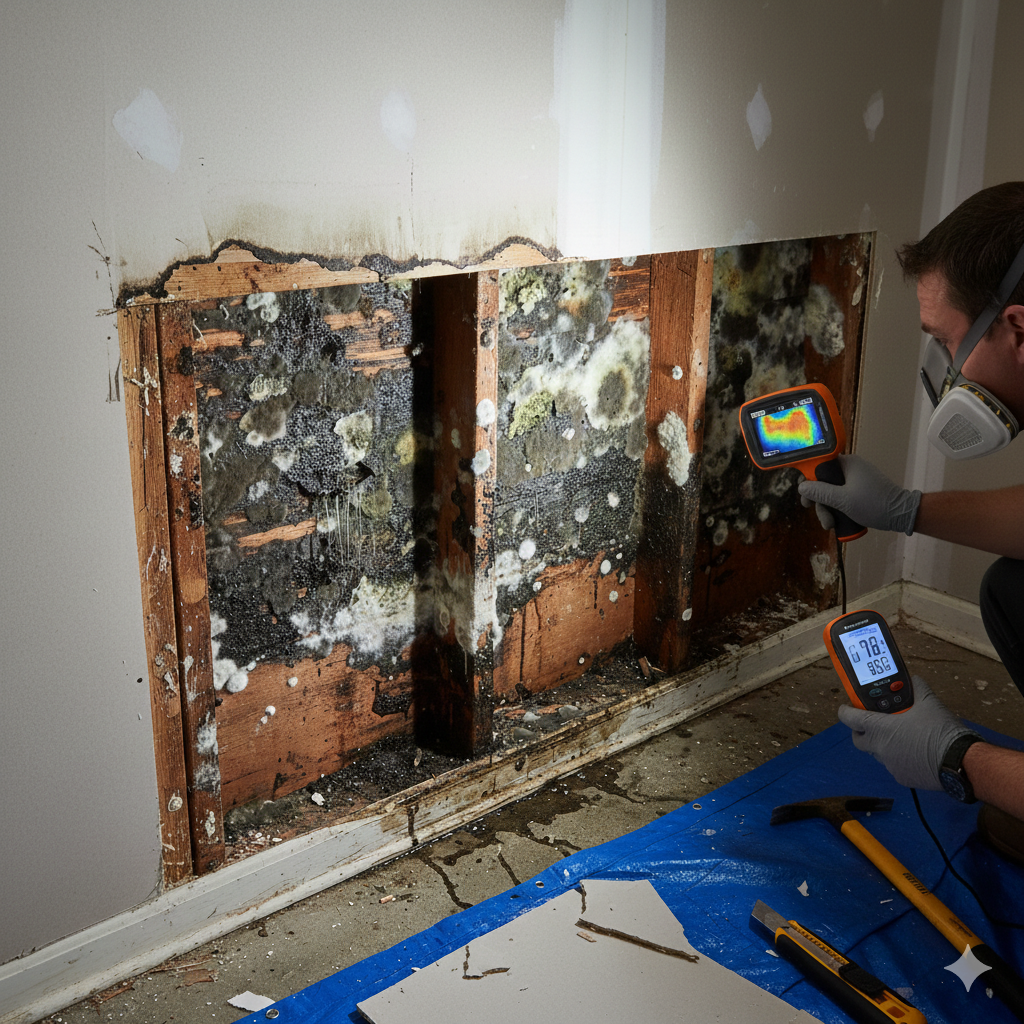
Mold remediation is a structured process designed to contain mold contamination, remove affected materials, and correct the conditions that allow mold to grow. Unlike basic mold removal, remediation focuses on controlling spores, protecting indoor air quality, and preventing mold from spreading to unaffected areas of a property.
At QuickFix Restoration, mold remediation is approached as a complete solution—addressing both the visible mold and the underlying moisture issues that contribute to recurring contamination.
Mold Remediation vs. Mold Removal
While mold removal focuses on eliminating visible mold, mold remediation includes containment, air filtration, controlled removal, and moisture correction. This broader approach reduces cross-contamination and lowers the risk of mold returning.
When Mold Remediation Is Necessary
Mold remediation is typically required when:
Mold affects large areas
Mold is hidden behind walls or under flooring
Airborne spores are present
Mold returns after cleaning
In these cases, professional remediation helps restore safe indoor conditions.
Containment and Air Filtration During Mold Remediation
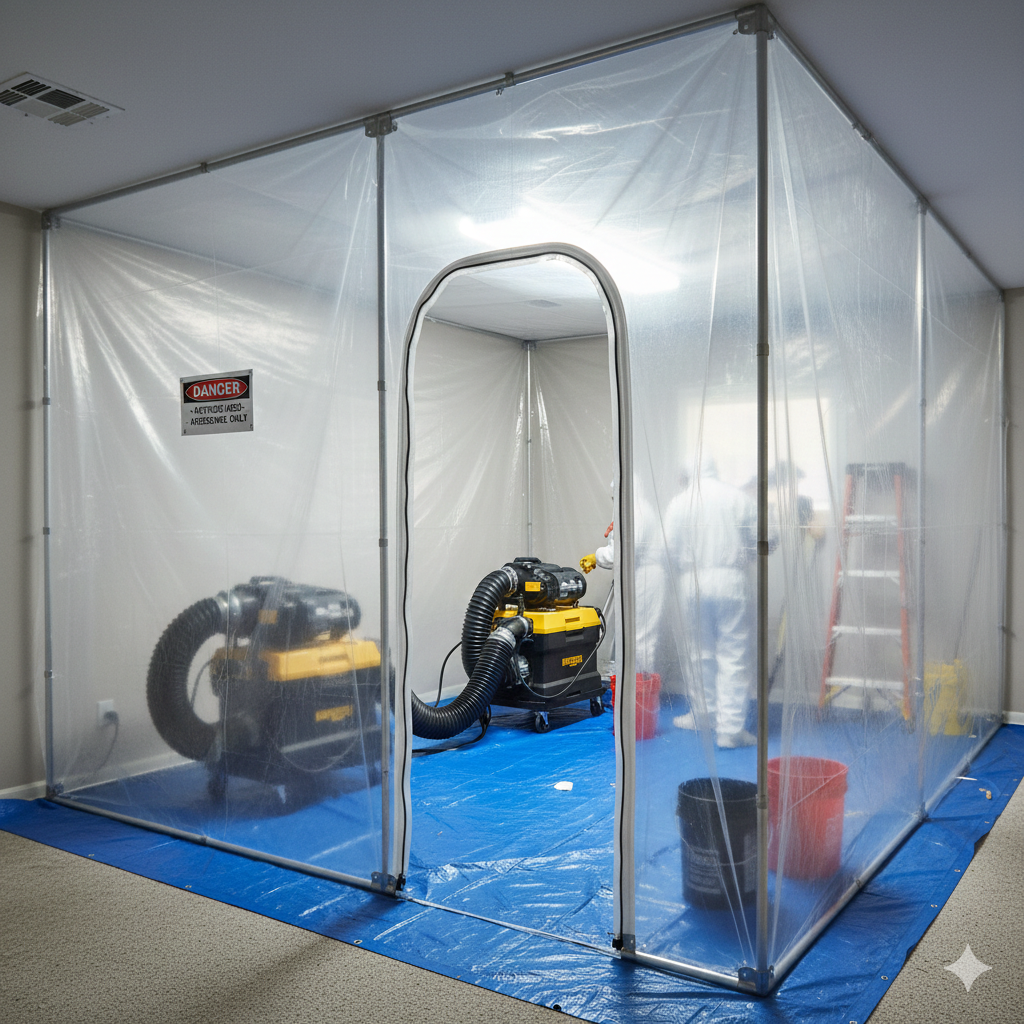
Mold remediation requires strict control to prevent mold spores from spreading into unaffected areas of a property. During the remediation process, proper containment and air filtration are essential to protect indoor air quality and limit cross-contamination.
At QuickFix Restoration, containment is used to isolate affected areas, while professional air filtration equipment captures airborne mold spores released during remediation. This controlled environment allows remediation work to be completed safely without impacting clean areas of the property.
Why Containment Is Necessary
Containment barriers help separate contaminated spaces from unaffected areas. This prevents mold spores from spreading through air movement, foot traffic, or HVAC systems while remediation work is in progress.
HEPA Air Filtration for Spore Control
High-efficiency air filtration systems are used continuously during mold remediation to remove microscopic mold spores from the air. This helps maintain safer indoor conditions and supports effective remediation from start to finish.
Moisture Control and Preventing Mold Regrowth
Mold remediation is only effective when moisture issues are properly addressed. Even after mold is removed and contained, excess humidity or hidden moisture can cause mold to return. Effective moisture control is essential for long-term remediation success.
At QuickFix Restoration, moisture control is treated as a critical part of the remediation process. By stabilizing humidity levels and eliminating trapped moisture, we help create conditions where mold cannot grow again.
Identifying Hidden Moisture Sources
Moisture can remain inside walls, floors, ceilings, and insulation long after visible mold is removed. Common sources include plumbing leaks, roof leaks, poor ventilation, and previous water damage. Identifying and correcting these sources helps prevent repeat mold problems.
Long-Term Mold Prevention Strategies
Proper moisture control supports long-term prevention by:
Reducing indoor humidity levels
Protecting building materials from dampness
Improving overall indoor air quality
Lowering the risk of future mold growth
Addressing moisture at its source ensures mold remediation delivers lasting results instead of temporary relief.
Residential and Commercial Mold Remediation Services
Mold remediation needs vary depending on the type of property and how the space is used. Residential and commercial environments require different planning, safety controls, and remediation strategies. A tailored approach helps ensure mold is removed safely without unnecessary disruption.
QuickFix Restoration provides mold remediation solutions for both homes and commercial properties, adjusting containment, air control, and remediation methods based on the structure and occupancy of the space.
Residential Mold Remediation
In residential properties, mold commonly develops due to leaks, humidity buildup, or past water damage. Remediation focuses on protecting living areas, maintaining indoor air quality, and preventing mold from returning. Special care is taken to limit disruption while work is completed.
Commercial Mold Remediation
Commercial spaces often require additional containment and coordination to protect occupants, employees, and customers. Mold remediation in offices, retail spaces, and multi-unit buildings is planned to control airflow, manage spores, and address moisture issues while maintaining operational safety.
A professional remediation strategy helps restore safe conditions regardless of property type.
Why Choose Professional Mold Remediation
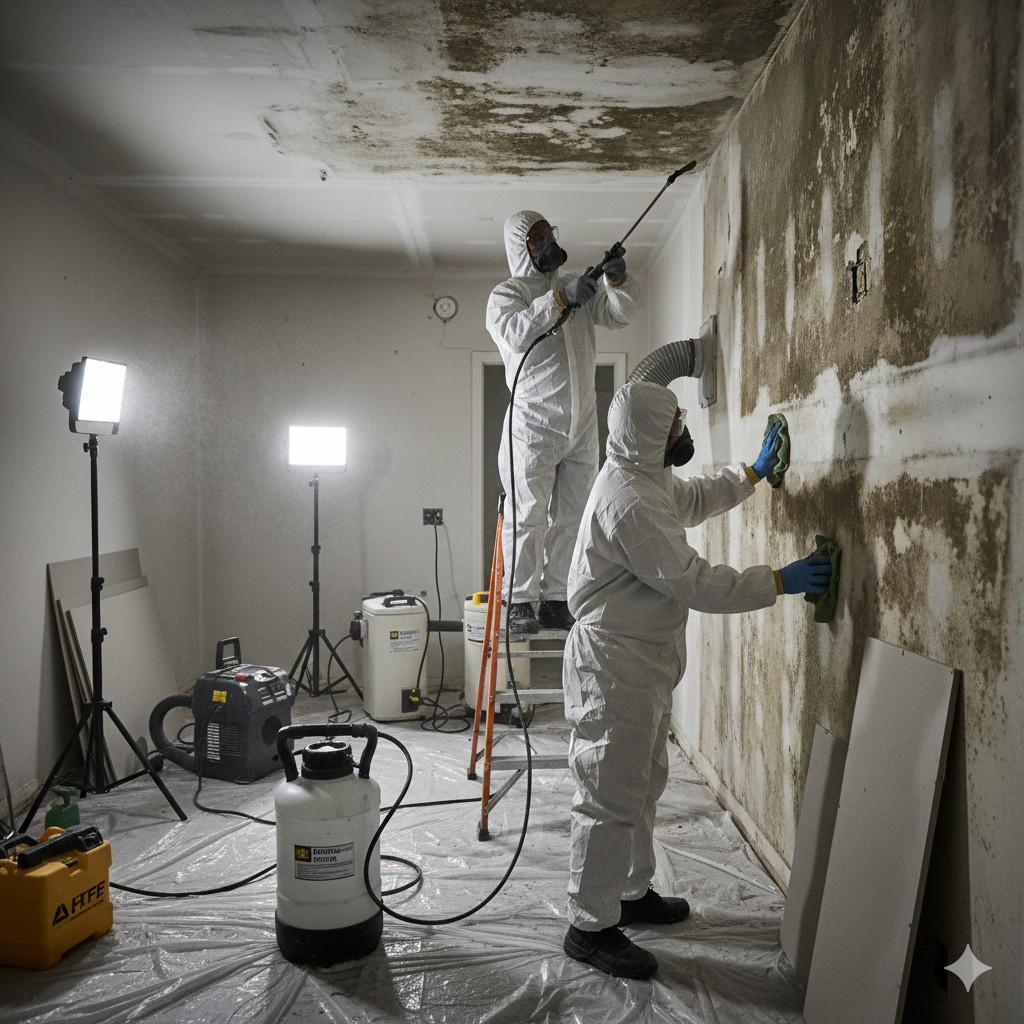
Choosing professional mold remediation helps ensure the problem is handled safely, completely, and with long-term results in mind. Mold issues often involve hidden contamination and moisture problems that cannot be resolved through surface cleaning alone.
Professional remediation focuses on controlling mold spores, protecting indoor air quality, and preventing mold from returning. This structured approach reduces health risks and minimizes the chance of recurring mold problems.
Experience With Complex Mold Situations
Professional remediation teams are trained to handle mold caused by leaks, humidity, and water damage. This experience allows them to identify underlying issues, apply proper containment, and use effective remediation methods based on the severity of the situation.
Focus on Safety and Prevention
Safety is a critical part of mold remediation. Proper containment, air filtration, and moisture control help protect occupants and prevent mold from spreading during the remediation process. Addressing moisture sources also supports long-term prevention.
Signs You Need Professional Mold Remediation
Mold problems are not always visible. In many cases, mold grows behind walls, under flooring, or inside ceilings where it continues to spread unnoticed. Recognizing early warning signs can help prevent larger damage and costly repairs.
If mold symptoms persist even after cleaning or return repeatedly, professional mold remediation is often necessary to address hidden contamination and moisture sources.
Common Warning Signs of Mold Problems
Persistent musty or damp odors
Mold returning after cleaning
Discoloration on walls, ceilings, or floors
Increased allergy or respiratory discomfort indoors
Mold appearing after leaks or water damage
These signs usually indicate a deeper issue that surface cleaning cannot resolve.
When DIY Solutions Are Not Enough
Small surface mold may seem manageable, but recurring or widespread mold often signals moisture trapped within building materials. Professional remediation helps identify hidden growth and correct the conditions causing mold to return.
Frequently Asked Questions About Mold Remediation
What is the difference between mold remediation and mold removal?
Mold removal focuses on eliminating visible mold, while mold remediation is a complete process that includes containment, air filtration, removal, and moisture control to prevent mold from returning.
Can mold come back after remediation?
Yes, mold can return if moisture problems are not properly resolved. Effective mold remediation always includes moisture control to reduce the risk of regrowth.
Is mold remediation safe for occupied properties?
Professional mold remediation is designed to be safe when proper containment and air filtration are used. In some cases, limited access to affected areas may be recommended during the process.
How long does mold remediation usually take?
Most mold remediation projects take between one and three days, depending on the extent of contamination and moisture levels.